
 HU
HU RO
RO EN
EN BG
BG FR
FR DE
DESzike pengék, Elektrokauter készülékek
Electrocautery Devices and Scalpel Blades for Precise Cutting and Controlled Hemostasis
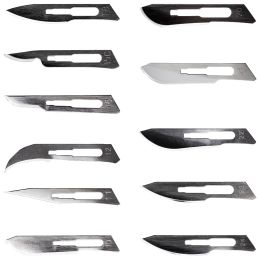
An electrocautery device allows you to cut tissue and control bleeding at the same time by using heat, helping reduce procedure time and minimize blood loss. Scalpel blades remain essential for clean, precise incisions in general surgery, dermatology, gynecology, and veterinary medicine. You can find both product categories on the Vetro Design website as part of our comprehensive range of medical consumables. All products are sterile, single-use, and manufactured in accordance with strict quality standards.
Whether you are equipping an operating room, a dental practice, or a veterinary clinic, you will find both ready-to-use instruments and accessories compatible with your existing equipment.
Scalpel Blades and Electrocautery Devices – Choosing the Right Solution for Every Procedure
Our product range includes:
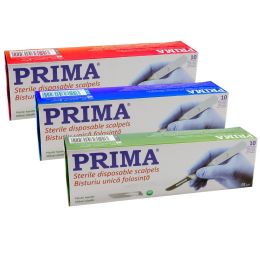
- single-use carbon steel scalpel blades, sterile and available in various sizes;
- scalpel blades compatible with standard handles for precise incisions;
- single-use bipolar electrocautery devices with fine, large, or extra-long tips;
- pen-style surgical electrocautery devices with separate cutting and coagulation buttons;
- single-use electrocautery devices operating at 800°C or 1200°C, together with neutral electrodes.
The right choice depends on the type of procedure. For surgical incisions, sharp and sterile scalpel blades are essential, while for cauterization and rapid hemostasis, an electrocautery device with the appropriate operating temperature is recommended. When bleeding is more difficult to control, the electrocautery device can be used together with hemostatic sponges to maintain a clean surgical field.
What Is the Difference Between Monopolar and Bipolar Electrocautery?
Monopolar electrocautery passes electrical current through the patient's body to a neutral electrode, making it suitable for cutting over larger areas. Bipolar electrocautery, on the other hand, concentrates the current between the tips of the forceps, providing greater precision while offering better protection for the surrounding tissues. Single-use models help reduce the risk of cross-contamination between patients, and the best option depends on the treatment area and the level of precision required for the procedure.